Hackney Council rules for putting flowers at public memorials
Posted on 04/10/2026
Hackney Council rules for putting flowers at public memorials: a practical, respectful guide
If you are trying to work out the Hackney Council rules for putting flowers at public memorials, you are probably doing it for a real reason. Maybe you have lost someone. Maybe you are marking an anniversary. Or maybe you have arrived at a memorial spot in Hackney with a small bunch of flowers in your hand and no clear idea what is allowed. It is one of those situations where the details matter, and the details can feel oddly hard to find.
This guide walks through the practical side of placing flowers at public memorials in Hackney: what councils usually expect, how respectful tributes are handled, where people often go wrong, and how to avoid having flowers removed or moved on. The aim is simple. You should be able to act thoughtfully, stay within local expectations, and feel confident that your tribute is appropriate.
To make this useful, we will focus on the real-world questions people ask: How long can flowers stay? Can you leave a vase or candle as well? What if the memorial is on a pavement, near a park, or by a roadside? And what if you are arranging something larger, such as a wreath or sympathy tribute? Let's get into it properly.
- Why the rules matter
- How it usually works in practice
- Key benefits and practical advantages
- Who this is for
- Step-by-step guidance
- Expert tips for a better tribute
- Common mistakes to avoid
- Tools, resources and recommendations
- Law, compliance and best practice
- Options and comparison
- Case study or real-world example
- Practical checklist
- Conclusion
- Frequently asked questions
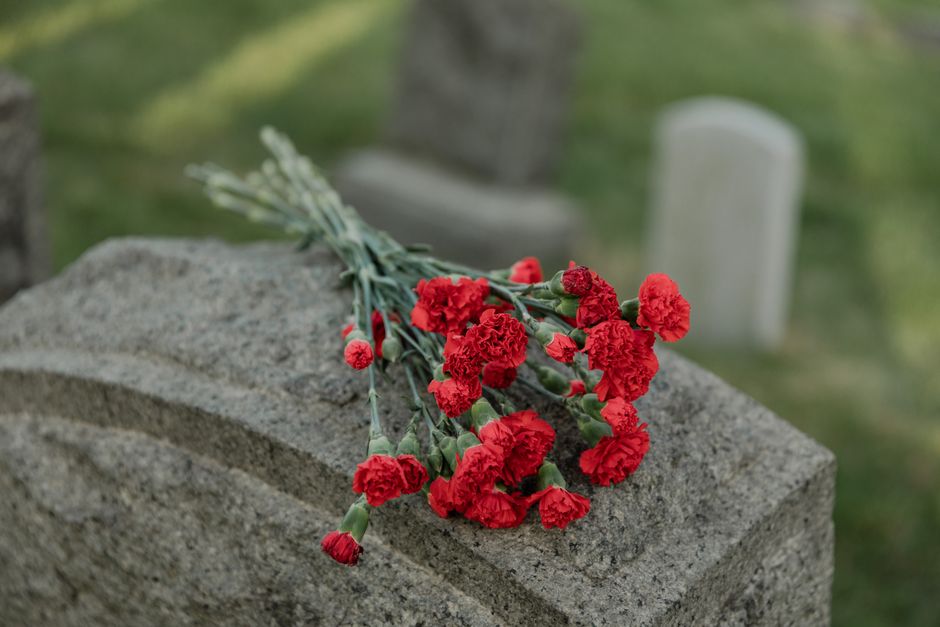
Why Hackney Council rules for putting flowers at public memorials Matters
Public memorials are not the same as a private grave or a home altar. They are shared spaces, often on land that needs to stay safe, tidy, accessible, and usable by everyone. That is the basic reason Hackney Council rules for putting flowers at public memorials matter: they balance grief and remembrance with public responsibility.
In practice, this usually means a few things. Flowers should not block pavements, interfere with maintenance, create litter problems, or damage planting, railings, walls, or memorial structures. That may sound bureaucratic, but there is a humane side to it too. Councils are often trying to preserve the dignity of a place while still allowing people to show respect. Truth be told, that balance is not always perfect, but it is the idea behind it.
There is also a community angle. In Hackney, memorial spots can attract many visitors, especially after a death, a community event, or a local tragedy. If everyone leaves something large, loose, or unsuitable, the space can quickly become cluttered. Then the memorial starts to lose the very calmness people wanted to create. Nobody wants that.
Practical takeaway: the safest approach is to keep floral tributes neat, temporary, and easy to manage. If the memorial is in a public space, think "respectful and removable," not "permanent installation."
For people arranging sympathy flowers or a remembrance tribute, it can help to think of the memorial as a place where public space rules and personal grief overlap. That overlap is where most confusion happens. A few clear habits make the process much easier.
How Hackney Council rules for putting flowers at public memorials Works
There is usually no one-size-fits-all rule that applies to every memorial in the borough. Instead, the approach often depends on the type of location, the safety risk, and how the tribute is placed. A roadside memorial, for example, is not treated the same way as a memorial bench in a park or a formal community remembrance spot.
What people tend to find, in plain English, is this:
- Small floral tributes are often tolerated for a reasonable period if they do not cause obstruction.
- Large displays, loose items, or items that may blow away are more likely to be moved or removed.
- Anything that creates a hazard, blocks access, or interferes with cleaning or maintenance can be cleared.
- Some memorials have their own local customs, and those customs can matter as much as the formal rule.
That last point is worth slowing down for. Sometimes the accepted practice is shaped by the community around the memorial. For example, a spot where people regularly leave flowers may have an informal pattern: a few bouquets, a card, maybe a ribbon, then regular clearance after a certain period. That does not make it law, but it does shape expectations.
If you are placing flowers at a memorial in Hackney, the best practical habit is to keep the tribute neat and avoid anything that looks like a permanent fixture unless you have direct permission. Sounds obvious, but in the real world it is surprisingly easy to overdo it, especially if multiple family members are involved and everyone has a different idea of "just a few flowers."
For floral gifts that are meant to stay fresh for a little while, choosing a suitable arrangement can help. In some cases, more structured designs like sympathy sprays or wreaths are easier to place tidily than loose bunches. If you are looking for options that travel well and look appropriate, pages such as sympathy flowers and wreaths can give a sense of the kinds of tribute styles people commonly use.
Key Benefits and Practical Advantages
Following the local approach to public memorial flowers is not just about avoiding trouble. There are some genuine advantages to doing it properly.
1. Your tribute is more likely to stay in place.
When flowers are tidy, safe, and not obstructive, they are less likely to be removed during routine cleaning or maintenance. A careful placement often lasts longer than a dramatic one.
2. The memorial stays respectful for everyone.
Public memorials often attract people with different relationships to the person or event being remembered. A neat tribute tends to feel more inclusive and less territorial. That matters more than people think.
3. You reduce the risk of causing a hazard.
Loose cellophane, broken containers, candles, and heavy objects can all create problems. Flowers on their own are usually simpler and safer. Simple, yes. Boring? Not at all. A well-chosen bouquet can say plenty.
4. You avoid awkward removal or complaints.
No one wants to arrive back later and find that a tribute has been cleared away. Staying within the local norm saves that upset. It also avoids friction with other visitors or nearby residents.
5. It is easier to maintain the site over time.
If a memorial is kept tidy, it is much more likely to be treated kindly by everyone who visits it. One small bunch can start a very natural, very human act of remembrance. One sprawling display can make the site difficult to manage. That is just how shared spaces work.
| Tribute type | Usually practical? | Main strength | Main risk |
|---|---|---|---|
| Loose bouquet | Yes, often | Simple and personal | Can look untidy if left unattended |
| Wreath | Often | Neat and traditional | May be too large for tight spaces |
| Spray or tribute arrangement | Often | Structured and respectful | May need careful placement |
| Candles, glass items, ornaments | Less often | Sentimental value | Safety and maintenance concerns |
Who This Is For and When It Makes Sense
This guidance is relevant if you are any of the following:
- a family member placing flowers at a local memorial
- a friend visiting a site of remembrance after a funeral
- a community group organising a tribute
- a florist preparing flowers for a public memorial drop-off
- someone wanting to understand what is respectful before visiting the site
It also makes sense if you are unsure whether the memorial is on public land or a private managed space. That uncertainty is common. You might assume a memorial is "just there," but in reality it may sit beside a road, near a park boundary, or next to a place with separate maintenance responsibilities. That changes what is acceptable.
If you are ordering flowers for memorial use, a florist can often help you choose something appropriate for a public location. For example, a simple white arrangement may feel calmer and more formal than a bright mixed bouquet. But that depends on the person and the event. There is no rule that grief has to look one colour. It really doesn't.
For tribute-style arrangements, you may also want to explore pages like funeral flowers, tributes, and letter tributes if you need something more structured than a standard bouquet. Those formats are often easier to place in a controlled way at public memorials.
Step-by-Step Guidance
If you want to avoid guesswork, this is the practical sequence to follow.
- Look at the memorial space first. Check whether it is a pavement memorial, a roadside tribute area, a park memorial, or a formal commemorative site. Each setting has different risks and expectations.
- Choose a modest arrangement. A compact bouquet, a wreath, or a small sympathy design is usually easier to place and maintain than a large, loose display.
- Avoid hazards. Skip glass containers, candles, sharp wire, heavy ornaments, and anything that could blow away. If it rattles in the wind on a cold Hackney afternoon, think twice.
- Place the flowers neatly. Keep them close to the memorial area, but do not block pathways, entrances, or maintenance access.
- Add only low-risk extras. A simple card is generally easier to manage than ribbons, lights, or multiple keepsakes.
- Check back later if needed. If it is a significant date, you may want to see whether flowers remain tidy or need refreshing.
- Be ready for removal policies. If a space is managed by routine clearance, accept that flowers may be moved after a time. That is not necessarily disrespectful; it is often just part of keeping the area usable.
In our experience, people often overthink the placement and underthink the weather. Wind, rain, and damp pavements can turn a beautiful tribute into a soggy mess very quickly. A sturdy, simple design almost always performs better than something elaborate.
If delivery is part of the plan, timing matters too. Same-day or next-day options can help when a memorial date is close, and pages like same-day flower delivery in Homerton E9 and next-day flower delivery in Homerton E9 are useful if you need a tribute quickly.
Expert Tips for Better Results
Here is where the small details make a big difference.
Keep it compact. A low, tidy arrangement is easier to respect in a public memorial setting than a tall, sprawling one. It also photographs better if family members want a keepsake image later on.
Use flowers that hold up. Hardy blooms tend to be more suitable outdoors. Carnations, chrysanthemums, roses, lilies, and alstroemeria are often chosen for this reason. They are not the only options, of course, but they are common for good reason. They travel reasonably well and usually look composed for longer.
Think about colour carefully. White can feel calm and traditional. Red can feel strong and deeply personal. Mixed colours can be warmer and more celebratory. The right choice depends on the person being remembered and the mood you want to create.
Keep messages simple. A short handwritten note often says more than a paragraph. Less is more. That sounds a bit like a slogan, but it is true in memorial settings.
Use a florist who understands tribute work. Not every bouquet style is suited to a public memorial. If you need something shaped for a formal tribute or sympathy occasion, look for arrangements designed for that purpose rather than a general gift bouquet.
Plan for removal or refresh. If the memorial is likely to be cleared periodically, it may be better to choose flowers that can be replaced easily rather than over-investing in a very large display.
Common Mistakes to Avoid
Most problems come from good intentions. That is the ironic bit.
- Leaving too much at once. Large displays can overcrowd a memorial and create maintenance issues.
- Using items that are not weather-safe. Paper-heavy decorations, candles, and fragile ornaments tend to cause more trouble than they solve.
- Blocking paths or entrances. Even a beautiful tribute becomes a problem if it limits access.
- Assuming every memorial is treated the same. The rules or expectations can vary by site, and that matters a lot.
- Ignoring nearby residents or users. A public memorial should feel shared, not turned into an obstacle course.
- Leaving flowers to decay without checking. Wilted flowers can look neglected and may be removed during clearing.
One of the most common mistakes is simply not checking the setting before placing anything. People arrive with flowers, spot the memorial, and make a quick decision. Understandable, but not always ideal. A minute of observation can save a lot of grief later on. Literally.
Tools, Resources and Recommendations
You do not need much equipment to place flowers respectfully, but a few small things help.
- Water source or water tube: useful if the flowers need to stay fresh and the memorial area allows it.
- Simple wrapping removal: take off loose plastic or excess packaging before placing tributes.
- Weather-aware carriers: a box or bag that keeps stems protected on the way there.
- Note card: helpful if the tribute is from a group or family.
- Small secateurs or scissors: useful for tidying stems at home before delivery or placement.
For product selection, some people prefer more formal tribute categories, while others want something gentler and smaller. If you are choosing between styles, it may help to browse options such as sprays, baskets and posies, or sympathy designs. These tend to be more suitable for memorial use than general gift arrangements.
If you are ordering online, it is also smart to review delivery information, care guidance, and policies. Pages like delivery information, flower care, and guarantees can help you understand what happens if timing or condition matters. That kind of reassurance is worth having, especially when the tribute is time-sensitive.
Law, Compliance, Standards, or Best Practice
Public memorial flowers sit at the meeting point of remembrance, local authority management, and common-sense safety practice. While the exact arrangements can vary, a few broad principles usually apply in UK public spaces.
Do not create a hazard. Any floral tribute that obstructs access, causes a trip risk, or interferes with visibility may be removed. This is especially relevant near roads, crossings, railings, and narrow pavements.
Respect land ownership and site management. If the memorial is on council-managed land, the council may have the right to clear items that are unsuitable or left too long. If it is on privately managed ground, the site manager may have different expectations. The practical lesson is the same: do not assume permanent permission.
Keep public access in mind. Paths, entrances, kerbs, bins, railings, and seating areas all need to stay usable. That is not just a legal neatness point; it is a courtesy to everyone else using the space.
Be cautious with added objects. Candles, glass vases, metal stands, and loosely secured keepsakes can create extra risk. Flowers alone are usually the safest and easiest tribute.
Use best practice when in doubt. Best practice means tidy placement, limited size, and no interference with the surrounding area. If a tribute has to fight for space, it is probably too large for the setting.
It is also sensible to remember that memorial spaces are emotionally charged. Good compliance is not about being cold. It is about protecting the dignity of the place while respecting the people who use it. That balance, really, is the whole point.
Options, Methods, or Comparison Table
If you are deciding how to leave flowers, these are the most common approaches and how they compare in a public memorial setting.
| Option | Best for | Pros | Cons |
|---|---|---|---|
| Single bouquet | Personal tribute | Simple, portable, low-fuss | May need support or shelter |
| Wreath | Formal remembrance | Traditional, tidy, recognisable | Can be bulky in small spaces |
| Sympathy spray | Structured floral tribute | Looks composed and intentional | May not suit very informal memorials |
| Basket or posy | Smaller shared memorials | Easy to place, less likely to spill | Less dramatic in appearance |
If you are unsure, a smaller tribute usually wins. There is a time for grand statements, but a public memorial is often not it. A neat arrangement that sits quietly in place tends to be the better choice.
Case Study or Real-World Example
Imagine a family visiting a roadside memorial in Hackney on a wet Tuesday morning. The pavement is narrow, traffic is moving steadily, and there are already a few fading bouquets at the base of a rail. The family has brought a large mixed arrangement with ribbons, a candle lantern, and a framed photo. It is heartfelt, absolutely. But it is also too much for the space.
They step back, look again, and decide to separate the tribute. The flowers are placed neatly on the memorial edge, the candle stays at home, and the photo is kept for a private family gathering instead. A simple card is tucked in with the bouquet. That version is calmer, safer, and more likely to stay put. You can almost feel the difference straight away.
Now compare that with a second family who chooses a compact wreath in white and soft green, delivered the same day and placed carefully without blocking the footpath. It is dignified, easy for others to respect, and far less likely to be disturbed. Same emotion, better shape. That is often the real challenge with public memorials: not whether the feeling is sincere, but whether the tribute fits the place.
If you need a local florist to help with a prompt memorial arrangement, you may find it useful to look at a florist in Homerton E9 or browse flower shops in Homerton E9 for more suitable tribute options. Local knowledge can save a lot of guesswork, and a good florist usually knows the difference between a general bouquet and a tribute meant for a memorial.
Practical Checklist
Before you place flowers at a public memorial, run through this quick checklist.
- Is the memorial in a public space that needs to stay accessible?
- Have you chosen a compact, safe arrangement?
- Are there any loose items that could blow away?
- Will the flowers block walking space, access, or maintenance?
- Have you avoided glass, candles, or heavy objects?
- Is the tribute weather-friendly for outdoor placement?
- Have you checked whether the site already has an established memorial pattern?
- Do you know whether the tribute may be removed after a period of time?
- Is your card or message short, respectful, and appropriate?
- Would a smaller arrangement actually serve the purpose better?
If you can tick most of those off, you are probably on safe ground. Not perfect ground, maybe, but safe ground. And with public memorials, that is usually the right aim.
Get a free quote today and see how much you can save.
Conclusion
The Hackney Council rules for putting flowers at public memorials are really about respectful balance: honouring the memory of a person or event while keeping a shared space safe, tidy, and accessible. If you keep the tribute simple, avoid hazards, and think about the memorial as a public place first and a personal place second, you will usually make a good decision.
There is no need to make it complicated. A well-chosen bouquet, a careful placement, and a little common sense go a long way. And when the flowers are chosen thoughtfully, they do exactly what they should: they speak quietly, but clearly, for you.
If you are still unsure, pause and look at the space again before you place anything. That small moment of care tends to make all the difference. Honestly, it often does.
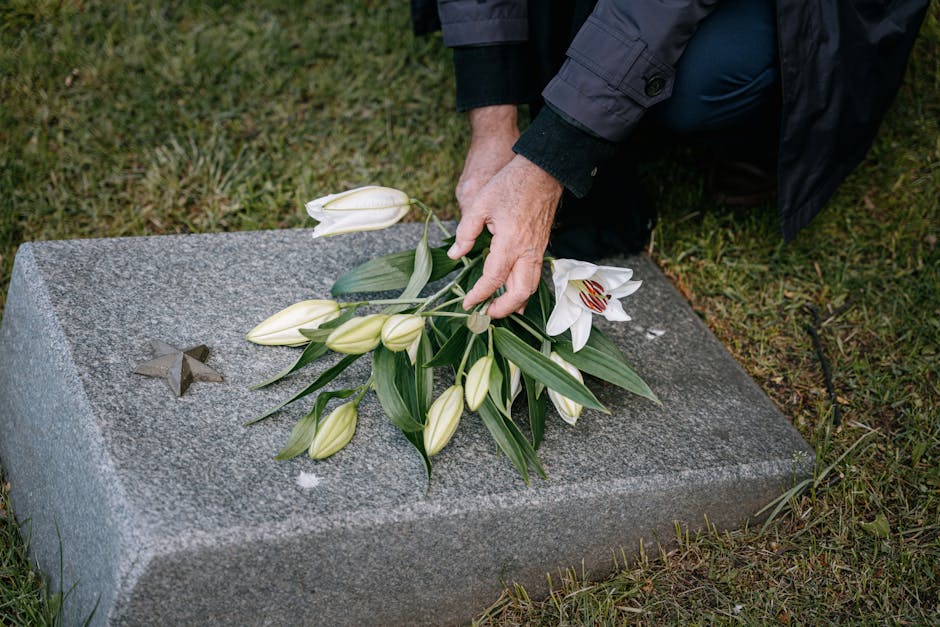
Frequently Asked Questions
Can I leave flowers at a public memorial in Hackney?
Usually yes, provided the flowers are placed respectfully and do not obstruct access or create a hazard. Smaller, tidy tributes are generally the safest choice in public spaces.
How long can flowers stay at a public memorial?
That depends on the site and how it is managed. Some memorials accept flowers for a while, while others are cleared regularly. If you are unsure, assume the tribute may be removed after a period of time.
Are candles allowed with memorial flowers?
Often they are not the best idea in public spaces because of fire risk, weather, and maintenance issues. Flowers on their own are usually safer and more appropriate.
Can I use a vase or glass container?
It is generally better to avoid glass or fragile containers at public memorials. They can break, cause injury, or create a cleanup issue. A simple wrapped or arranged tribute is usually better.
What kind of flowers are best for a memorial?
Hardy flowers that hold up well outdoors are usually a smart option. Roses, lilies, carnations, chrysanthemums, and alstroemeria are commonly used because they tend to last and look dignified.
Do I need permission to place flowers at a public memorial?
For small tributes, formal permission may not be required, but that does not mean anything goes. If the memorial is on council-managed land or the tribute is large, it is wise to be cautious and check the local expectations.
Will Hackney Council remove memorial flowers?
They may remove flowers if they become a hazard, block access, or are left too long in a managed public space. That is usually about maintaining the site, not dismissing the tribute.
What should I avoid leaving at a memorial?
Avoid items that can blow away, break, burn, or block the area. That usually means candles, heavy ornaments, loose plastic packaging, and anything awkward to manage outdoors.
Is it better to leave one bouquet or several smaller tributes?
One neat tribute is usually better than several scattered items. It looks more respectful and is easier to keep tidy in a public place.
Can a florist help with memorial flowers for a public place?
Yes. A florist can often guide you toward tribute styles that suit outdoor memorials, such as wreaths, sprays, sympathy arrangements, or compact bouquets that are easier to place safely.
What if the memorial is near a busy pavement or road?
Then safety matters even more. Keep the arrangement small, avoid anything loose, and make sure the tribute does not block foot traffic or distract drivers.
What is the most respectful way to decide?
Think about whether the tribute is neat, safe, and easy for others to share the space around. If the answer is yes, you are likely making a respectful choice.